

Hong Kong AI-assisted Animation Movement: AMP4 and James L.J. Hung on Rebuilding the Pipeline, Not Replacing Artists

Director James L.J. Hung speaks at "Exploring Hong Kong Cinema Development and Talent Cultivation in the AI Era" during the 30th FILMART on 20 March 2026, sharing insights on how AI is reshaping filmmaking.
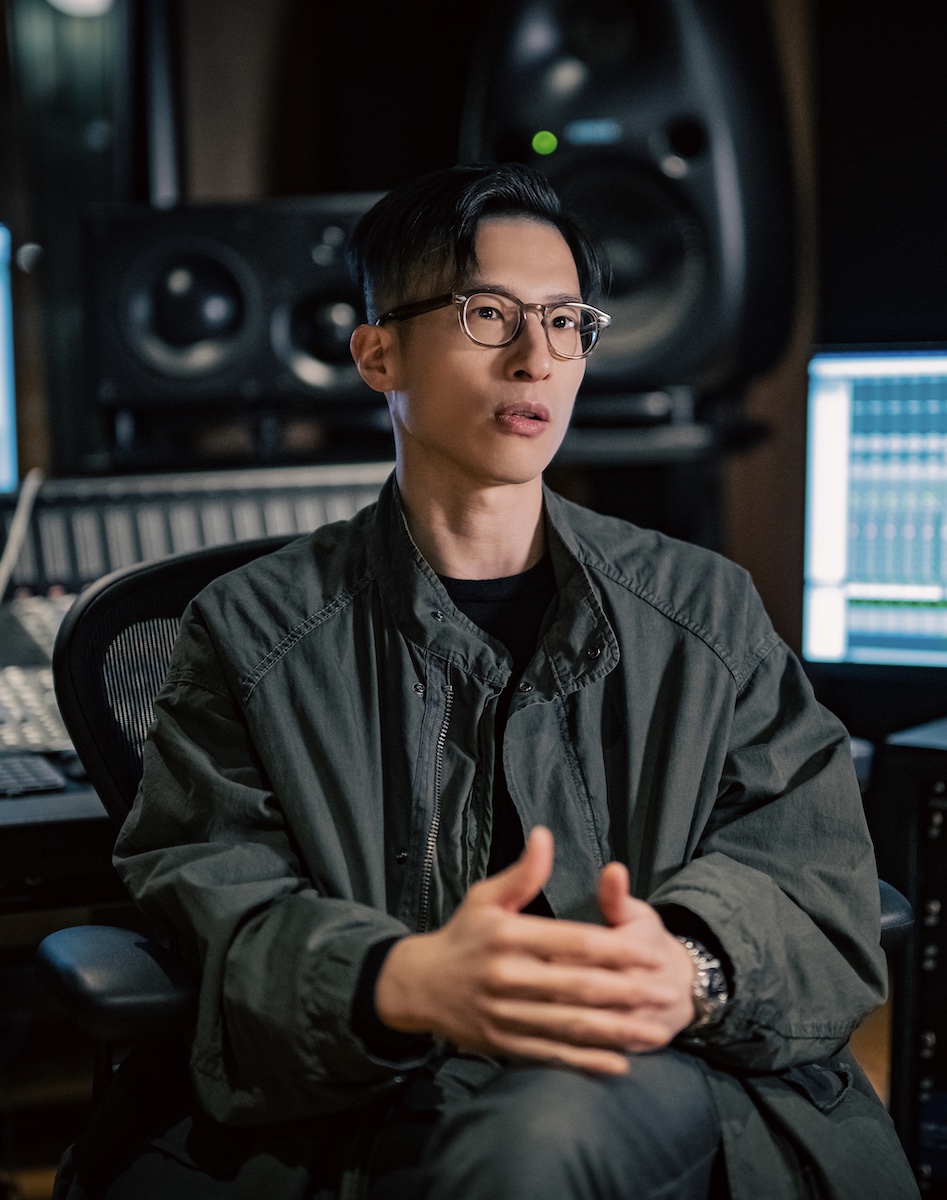
“AI helps us iterate faster and build worlds more efficiently, but every creative decision remains human,” says Director L.J. James Hung. “AI doesn't tell us what the story should be.”
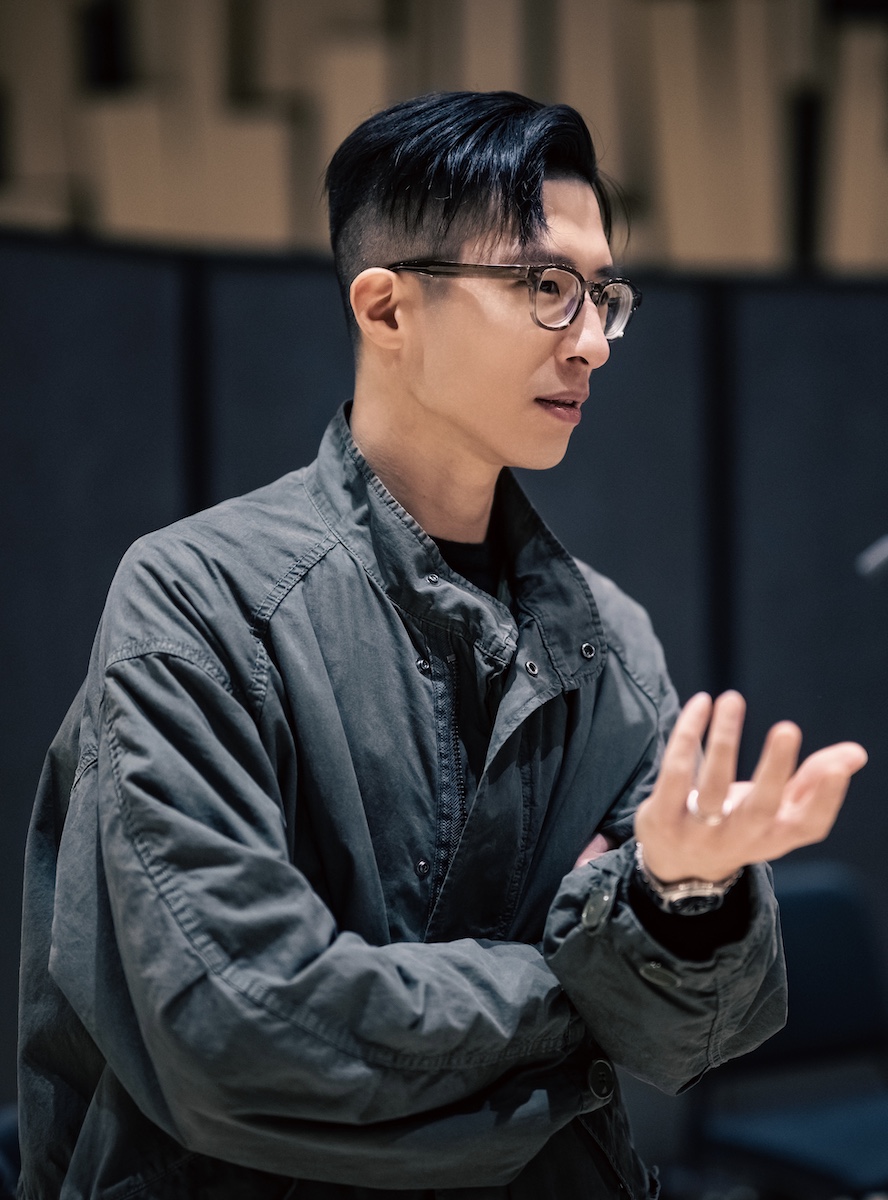
As Director L.J. James Hung puts it, “The goal is not to make more content faster—it’s to make better stories possible.”
Hong Kong explores AI-assisted animation as a hybrid pipeline, with AMP4 and James L.J. Hung championing artist-led innovation over automation.
This is where Hong Kong’s experiment with AI-assisted animation becomes compelling. The city is not trying to imitate Hollywood’s scale, nor does it need to. Its opportunity lies in combining its filmmaking inheritance — choreography, editing discipline, visual economy — with a production model that allows smaller teams to build larger worlds. In that context, Odium Zero, the original dystopian sci-fi animation from director James L.J. Hung, matters less as a novelty than as a signal of intent.
Hung, an invited member of the executive committee of the Association of Motion Picture Post Production Professionals (𝗔𝗠𝗣𝟰), has been clear about his intentions. “AI is not here to replace artists,” he says. “It is here to remove friction from the process so that creators can focus on storytelling and vision.” His project has been described as Hong Kong’s first AI-assisted animation designed for theatrical release. That distinction is useful, but incomplete. The more important point is that 𝗢𝗱𝗶𝘂𝗺 𝗭𝗲𝗿𝗼 appears to reject the laziest fantasy of AI filmmaking: the notion that a film can be summoned into existence by prompts alone.
Instead, its premise is closer to a hybrid pipeline, in which human direction remains central while AI accelerates the labour-intensive middle layers of production. “We still make every creative decision,” Hung explains. “AI helps us iterate faster, visualise ideas earlier, and build worlds more efficiently — but it doesn’t tell us what the story should be.” The machine may assist with iteration, visualisation, asset development and workflow efficiency. It does not decide what the story means.
This distinction will increasingly define the premium end of AI-assisted animation. The industry is already splitting into two markets. On one side is commodity content: generic, fast, abundant and forgettable. It is the world of infinite variants, frictionless output and visual sameness. On the other side is premium hybrid work, where AI expands production capacity without flattening artistic intention. The first treats creativity as volume. The second treats technology as leverage.
𝗛𝗼𝗻𝗴 𝗞𝗼𝗻𝗴 𝘀𝗵𝗼𝘂𝗹𝗱 𝗽𝗹𝗮𝗰𝗲 𝗶𝘁𝘀 𝗯𝗲𝘁 𝗼𝗻 𝘁𝗵𝗲 𝘀𝗲𝗰𝗼𝗻𝗱.
Yet this technological shift also intersects with something deeper: the preservation of Hong Kong’s cinematic identity, particularly its action cinema legacy. For decades, Hong Kong action films set global standards in choreography, stunt work, editing rhythm and physical storytelling. These were not merely stylistic flourishes but hard-earned craft traditions built through collaboration between directors, stunt coordinators, performers and editors. As the industry evolves, there is a risk that such embodied knowledge could fade if not actively translated into new production paradigms.
AI, paradoxically, may offer a way to preserve and extend that legacy. By capturing movement patterns, visual timing and stylistic signatures, AI-assisted tools can help archive and reinterpret the grammar of Hong Kong action cinema for new formats, including animation. Hung’s approach reflects this possibility: rather than abandoning tradition, he seeks to encode its principles into a new visual language. In doing so, AI becomes not a replacement for craft, but a bridge between generations of filmmaking practice.
𝗧𝗵𝗶𝘀 𝗯𝗿𝗼𝗮𝗱𝗲𝗿 𝘁𝗿𝗮𝗻𝘀𝗳𝗼𝗿𝗺𝗮𝘁𝗶𝗼𝗻 𝗶𝘀 𝗮𝗹𝗿𝗲𝗮𝗱𝘆 𝘂𝗻𝗳𝗼𝗹𝗱𝗶𝗻𝗴 𝗮𝘁 𝗮 𝘀𝘁𝗿𝘂𝗰𝘁𝘂𝗿𝗮𝗹 𝗹𝗲𝘃𝗲𝗹 𝗮𝗰𝗿𝗼𝘀𝘀 𝘁𝗵𝗲 𝗶𝗻𝗱𝘂𝘀𝘁𝗿𝘆.
That is why 𝗔𝗠𝗣𝟰’𝘀 role is significant. As a professional body focused on post-production and filmmaking technologies, the Association of Motion Picture Post Production Professionals can help frame AI not as a gimmick but as a production language requiring standards, literacy and governance. With Hung contributing as part of its executive committee, 𝗔𝗠𝗣𝟰 is positioned to bridge creative practice and technological adoption while safeguarding the artistic DNA that defines Hong Kong cinema. Its involvement in AI-focused industry programming, including 𝗙𝗜𝗟𝗠𝗔𝗥𝗧’𝘀 𝗔𝗜 𝗛𝘂𝗯, co-organized by the 𝗛𝗼𝗻𝗴 𝗞𝗼𝗻𝗴 𝗧𝗿𝗮𝗱𝗲 𝗗𝗲𝘃𝗲𝗹𝗼𝗽𝗺𝗲𝗻𝘁 𝗖𝗼𝘂𝗻𝗰𝗶𝗹 (𝗛𝗞𝗧𝗗𝗖) and 𝗔𝗠𝗣𝟰 and supported by 𝗖𝗖𝗜𝗗𝗔, suggests that Hong Kong’s creative sector is beginning to understand the stakes. The question is no longer whether AI enters the pipeline. It already has. The question is who designs the pipeline, who controls it, and whose creative values it serves.
Government support also matters here. Hong Kong has spent years speaking about cultural and creative industries as future-facing economic engines. AI-assisted animation gives that ambition a tangible form. A project such as 𝗢𝗱𝗶𝘂𝗺 𝗭𝗲𝗿𝗼 offers a useful case study because it joins policy rhetoric to original intellectual property. It is not simply about using new technology; it is about whether Hong Kong can generate its own cinematic worlds rather than merely supply talent to others. Hong Kong must commit to shaping this future on its own terms.
𝗧𝗵𝗲 𝗼𝗽𝗽𝗼𝗿𝘁𝘂𝗻𝗶𝘁𝗶𝗲𝘀 𝗮𝗿𝗲 𝗿𝗲𝗮𝗹.
Labor protections, training data, ownership, performer consent and visual originality cannot be waved away by enthusiasm. Nor should artists be asked to accept “innovation” as a polite synonym for displacement. But rejection alone is not a strategy. The more durable answer is to build artist-centred systems: transparent, rights-conscious, and led by directors, designers, writers, animators and performers who understand both craft and code.
Hong Kong’s advantage has always been its ability to do much with little: to create speed, style and impact under constraint. AI does not replace that tradition. Used well, it may extend it — preserving the spirit of its action cinema while opening new creative frontiers. As Hung puts it, “The goal is not to make more content faster — it’s to make better stories possible.” The future of animation will not belong to the loudest machine, but to the places that learn how to make technology answer to taste, discipline and imagination. For Hong Kong, 𝗢𝗱𝗶𝘂𝗺 𝗭𝗲𝗿𝗼 is not the end point, but a promising step toward a more inventive and resilient creative future.
Rose
CLOQUE LLC
email us here
Visit us on social media:
Instagram
Odium Zero: After a comet triggers an outbreak, May enters a quarantined hospital to save Anna, uncovering conspiracies, monsters and fighting for humanity.
Legal Disclaimer:
EIN Presswire provides this news content "as is" without warranty of any kind. We do not accept any responsibility or liability for the accuracy, content, images, videos, licenses, completeness, legality, or reliability of the information contained in this article. If you have any complaints or copyright issues related to this article, kindly contact the author above.
